


Looking to rent cloud server monthly without sacrificing speed, cost efficiency, or flexibility? For startups and SMEs, infrastructure needs are often immediate - waiting for lengthy procurement or being tied to rigid annual contracts simply isn’t practical. That’s where monthly cloud server rentals from providers like SotaTek make a difference. With scalable infrastructure and transparent pricing, businesses can test, grow, and innovate without heavy upfront commitments.
In this article, SotaTek shares insights on how monthly rental plans compare to annual options, which features truly matter, and how to choose a reliable cloud provider. Backed by industry expertise and real-world examples, this guide helps you make confident, cost-effective decisions to maximize your cloud investment.
Why Businesses Choose to Rent Cloud Server Monthly
Monthly vs annual contracts
Monthly plans cost a bit more each month but keep commitment low. They work well when demand is uncertain or projects may pause. You can rent VPS monthly, test, then scale after results appear.

Skip lock-in by starting small and upgrading when the numbers justify it. If performance spikes, shift to high performance cloud server rental without renegotiating contracts. When work pauses, downsize in the next billing cycle.
Use cases
Monthly plans shine when businesses need agility and control right away. Cloud Services for Startups allow new companies to launch a virtual server on a monthly basis, test ideas quickly, and adjust infrastructure as they grow. Instead of waiting through long procurement cycles, founders can validate products faster and stay competitive.
For established businesses, Cloud Services for SMEs offer the flexibility to scale resources during peak seasons - such as promotions or campaigns and then scale back down without extra cost. This pay-as-you-go approach ensures budgets stay predictable and aligned with real demand.
Rent cloud server monthly are also ideal for short-term workloads like proof of concepts, data migration, or analytics projects. Teams can spin up resources for the exact timeline needed and shut them down cleanly, avoiding waste and ensuring that every dollar spent contributes directly to business outcomes.
Key Features to Look For in a Monthly Cloud Server
Scalability and resources
Pick server types that fit your workload, like general purpose or compute optimized. Choose modern CPUs, balanced CPU and memory, and fast SSDs (NVMe). Turn on autoscaling and snapshots so a scalable monthly cloud server adapts without downtime.
Check bandwidth limits, outbound data fees, and how traffic moves across networks. Place workloads closer to users to cut delay and keep performance steady.
Data security, backup, and SLA uptime
Protect data with encryption in transit and at rest, plus strong access controls (IAM). Automate backups and enable point-in-time restore (PITR) to safeguard monthly cloud storage and server deployments. Target SLAs of 99.9% or higher and expect clear status updates during incidents.
Support and easy migration
Make sure 24/7 support includes fast responses and real escalation paths. Consider managed cloud server monthly options for monitoring, patching, and cost tuning. Look for migration tools, standard server images, and tested rollback plans to reduce risk.
Top Providers Offering Monthly Cloud Server Rental

Hyperscalers (monthly options)
You don’t have to sign long contracts to use hyperscalers; all three support open-ended billing to monthly renting in effect.
With AWS, you run EC2 instances as long as you need them and are charged per second (after a 60-second minimum). That makes it easy to treat it as a cloud server with monthly billing. AWS Lightsail offers simpler bundles (compute + storage + bandwidth) that feel like fixed monthly rental plans.
In the case of Azure monthly cloud server, many VM types follow a pay-as-you-go model, charging you when the server is active. You don’t pay when it’s turned off. If your usage stabilizes, Azure also gives you options to reserve VMs at discounted monthly rates.
With Google Cloud monthly plan, Compute Engine instances are billed per second (after a small minimum). Plus, Google automatically gives sustained-use discounts when your instance runs for a large fraction of the month — up to about 30 % off.
For a more complete breakdown of these three providers, check out our blog on AWS vs Azure vs Google Cloud (2025): Market Share, Pricing, and Which One Fits Your Business Best.
Niche developer-friendly providers
DigitalOcean, Linode (Akamai), and Vultr focus on simplicity and price transparency. They deliver cheap monthly cloud hosting, clean dashboards, and predictable bandwidth. Developers appreciate quick provisioning and straightforward upgrades as needs grow.
For example, DigitalOcean’s Droplets start at about $4/month, with flat rates and clear monthly ceilings. Linode uses straightforward resource pricing too, beginning around $5/month for shared CPU options. Vultr can go even lower on entry tiers (e.g. $2.50/month), though add-ons like DDoS protection may cost extra.
Because everything is unplugged—from hidden “network credits” to surprise usage ceilings—those platforms let you focus on building rather than billing. They’re ideal when you want affordable monthly cloud server plans that scale gently with your needs.
SotaTek Monthly Cloud Server Services
Why SotaTek
At SotaTek, we understand that SMEs and startups need cloud services that are straightforward, reliable, and cost-sensible. Our monthly cloud server services are designed with clear pricing on compute, storage, and egress, so you know exactly what to expect. The focus is always on balancing cost efficiency with dependable performance.
We provide full managed cloud server monthly operations, covering monitoring, updates, security hardening, and resource optimization. This allows your team to focus on products and customers, while we ensure your infrastructure stays secure and responsive.
To meet different needs, our cloud services include:
- Cloud Consulting: guidance to design, optimize, and secure your setup
- DevOps as a Service: automation, CI/CD, and infrastructure as code
- Well-Architected Review: aligning deployments with AWS best practices
- Cloud Managed Service: ongoing management and performance tuning
- Cloud Migration & Modernization: moving or upgrading systems without disruption
- AWS Competency Preparation & Audit Support: helping teams achieve AWS readiness
Our architects design environments tailored to your stage and goals, whether it’s a lightweight MVP, a data-driven platform, or seasonal workloads. We work across AWS, Azure, and Google Cloud to give you flexibility without unnecessary lock-in.
Certifications and standards
SotaTek’s capabilities are supported by recognized industry certifications. We are an AWS Advanced Tier Partner and certified for the AWS Well-Architected Partner Program and DevOps Services Competency. Our processes are also appraised at CMMI Level 3, and we adhere to international standards like ISO 9001 and ISTQB. These credentials reflect our commitment to consistent service quality and secure, reliable delivery.
Case Studies
Wesang (Yogiyo): Food delivery platform needing reliable, secure operations at peak. We managed AWS and GCP environments with proactive maintenance and rapid incident response. Result: smooth scale and stronger uptime during high-demand windows.
UBet Sports: This decentralized trading platform targeted 30,000 concurrent users. We implemented AWS MSK, ECS Fargate, WAF, and KMS, plus integrated payments. Result: seamless peak performance and a meaningful lift in transactions post-launch.
InvtAI: AI services platform requiring 24/7 stability and security. We provided an always-on help desk, regular security audits, and managed server-and-cloud operations. Result: faster incident resolution and reduced operational risk.

Comparison: Rent Cloud Server Monthly vs Annual Plans
Cost analysis
Rent Cloud Server Monthly plans cost a bit more each month, but keep commitment low. They work well when demand is uncertain or projects may pause unexpectedly. You can rent VPS monthly, test, and scale only after results appear.
Annual plans are cheaper per month when usage is steady. You pay upfront and run predictable workloads at lower rates all year. If your needs rarely change, those savings add up over the year.
Flexibility vs long-term savings
A cloud server with monthly billing maximizes agility, experiment speed, and vendor portability. You avoid penalties for pausing projects or changing direction quickly. Annual contracts favor predictable, mature workloads that rarely change shape.
Many teams start with monthly cloud server rental, then commit the proven baseline annually. This hybrid path blends early agility with sustained savings later.
How to Select the Right Provider to Rent Cloud Server Monthly
Pricing transparency
Get clear unit costs, bandwidth terms, and snapshot pricing on affordable monthly cloud server plans. Hidden outbound data fees can blow up budgets.
Uptime and performance
Review SLAs, past incidents, and regional coverage before you scale. Ensure easy upgrades into high performance cloud server rental tiers without downtime.
Support quality
Check response SLAs, escalation paths, and human coverage during key windows. If your team is lean, prioritize a managed cloud server monthly to offload maintenance.
Compliance and security
Confirm data residency, certifications, and backup policies match your obligations. Encryption, strong access controls, and tested restores should be standard. For businesses in regulated industries, make sure your provider aligns with recognized frameworks: ISO 27001 for information security management, PCI-DSS for processing payment information, and HIPAA when dealing with healthcare data. These certifications and regulations not only reduce risk but also help your organization stay compliant and build customer trust.
For a deeper into the latest security best practices, check out our blog on Cloud Security Trends in 2025.
Scalability and locations
Confirm autoscaling, CDN options, and proximity to users. These factors determine the best cloud server for you.
Migration ease
Prioritize images, tooling, and white-glove onboarding with rehearsed rollback plans. Your system should migrate safely in hours, not weeks.
Real-World Use Cases
SMEs handling seasonal demand
Case: E-commerce site scaling via proactive auto-scaling
An online retailer faced wild fluctuations in site traffic: during promotions, visits surged 4–5× above baseline, while during lulls they dropped to half average. The challenge was that reactive autoscaling often lagged—servers didn’t spin up fast enough and performance dipped at crunch times.
Solution: The team adopted a predictive auto-scaling approach (inspired by research on ecommerce load patterns) achieving prediction accuracy up to 94 %. They paired that with flexible monthly cloud server rental so capacity ramps when needed and contracts when idle. This combo ensured smooth performance during peaks, and cost savings in quiet periods.
Startups running MVPs
Case: Dropbox’s early MVP approach

Dropbox’s early story illustrates this well: their core idea was syncing files across devices, but they weren’t sure how many users would care. Rather than building the full system, they created a demo video MVP to test interest and validate demand first.
Solution: By starting with a minimal prototype for validation, Dropbox conserved time and resources until demand was confirmed. In your scenario, you could spin up a virtual rent cloud server monthly plan, test core user flows, collect feedback, and only later scale into full features as traction grows.
IT teams with short-term compute
Case: Kosli migration to scalable AWS architecture
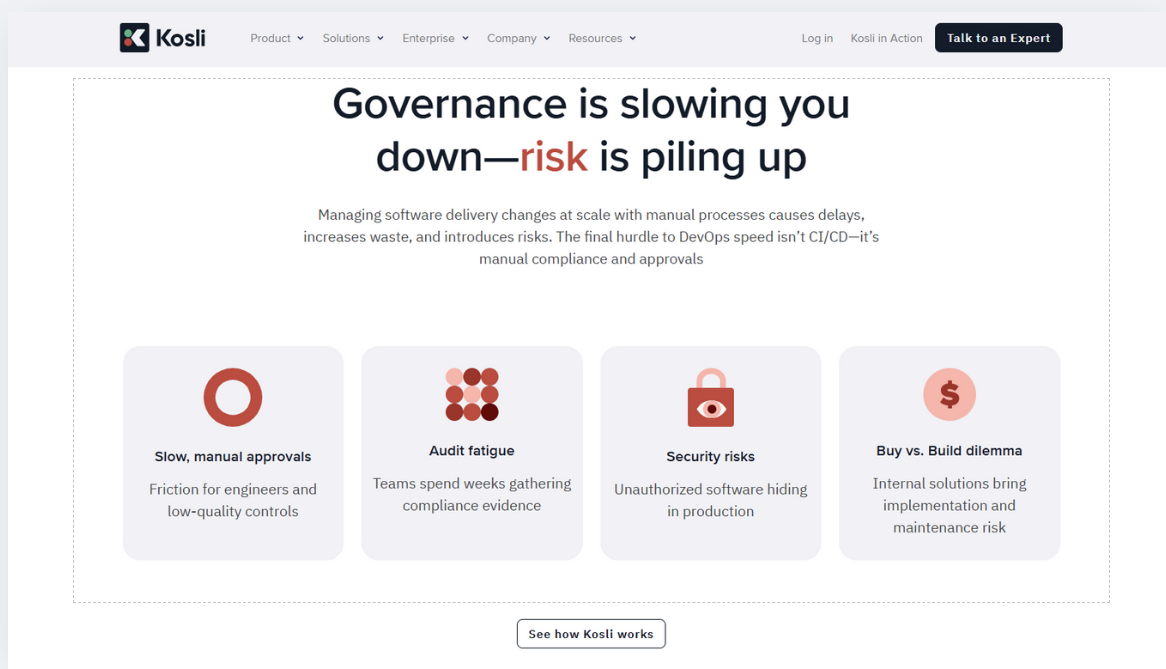
Kosli, a Norwegian startup, needed to replatform its architecture and adhere to stricter compliance and audit standards as it grew. Their existing Google Cloud setup lacked maturity, making it challenging to scale or enforce governance.
Solution: They migrated workloads to AWS using ECS + Fargate and restructured for more managed, scalable resources. This transition was effectively done using ephemeral infrastructure models—scale up during migration, then scale down. In a monthly cloud server context, your IT team can provision compute only for project duration, conduct refactors or testing, then decommission to avoid sunk cost.
Conclusion
If you’re looking for ways to implement cloud service into your business but aren’t sure where to begin, connect with us. With 10+ years of experience and 500+ successful projects worldwide, SotaTek can plan, migrate, and optimize your stack - from pilot to production. Contact us and start your business transformation today!

 https://www.sotatek.com/
  (+84)2466585248