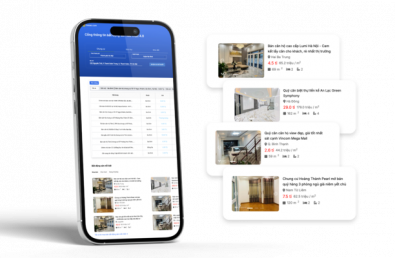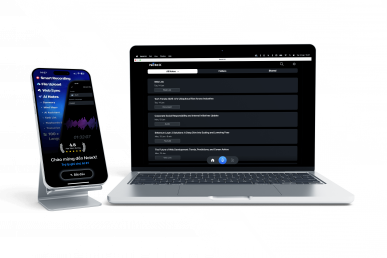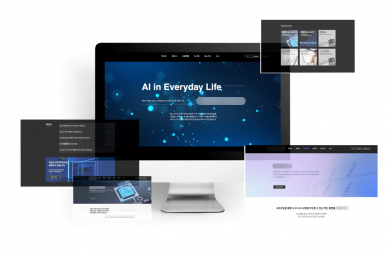


Our client runs a global network of international schools. Their mission is to bring advanced technology into education and enhance how schools operate worldwide.
They sought to improve both teaching quality and day-to-day processes across all their campuses. To achieve this, they needed a powerful digital solution that could serve different teams.
SotaTek developed Smart Learn AI mainly for two key departments: GCEE (Global Center for Educational Excellence) and Operations. Each department uses dedicated modules tailored to their unique needs. These modules can also function as standalone mini apps when required.
By going digital, the client aims to make work easier and faster for staff across all their schools. Smart Learn AI is designed to streamline tasks, support better decision-making, and ultimately raise the standard of education and operations throughout their network.
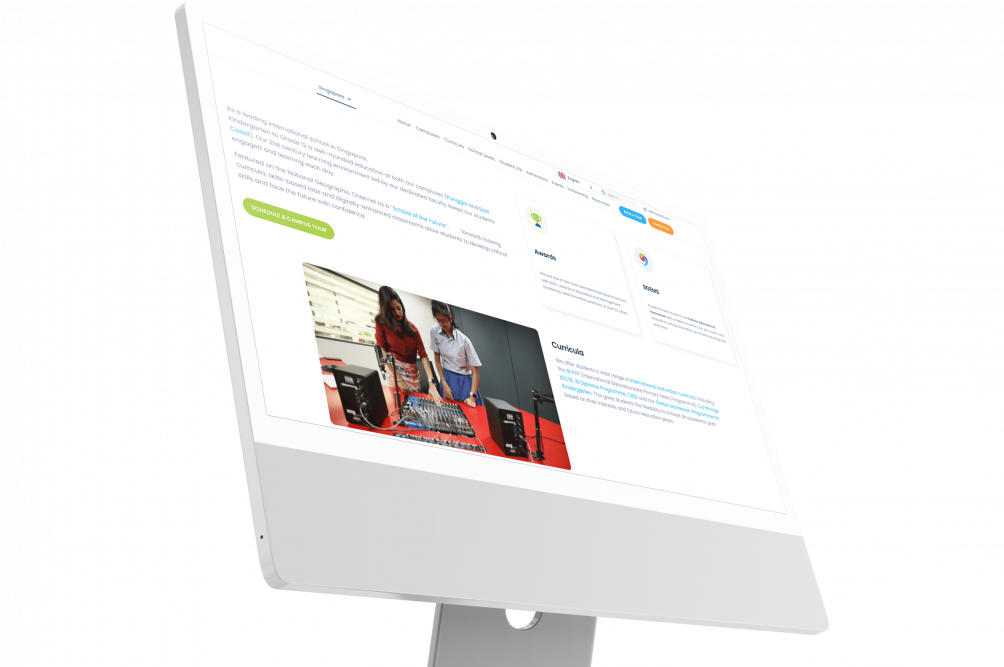
Before going digital, the client struggled with:
- Slow, manual workflows that forced staff to spend too much time on repetitive tasks, reducing overall productivity.
- Scattered data across different systems, which delayed reporting and made it hard to get a complete, accurate view.
- Disconnected tools used by departments, leading to misalignment and communication gaps.
Therefore, they need a solution that would:
- Provide role-based access with a secure, user-friendly interface
- Ensure smooth performance across services with consistent, centralized data
- Be scalable, so it could easily support more departments in the future
To help the client achieve their digital transformation goals, SotaTek built Smart Learn AI using a microservices architecture. Each module runs independently, making the system more flexible and easier to scale as the client’s needs grow.
Our approach included:
- Reviewing UI/UX designs and user stories with the client’s leadership team before development began, ensuring alignment from the start.
- Following an agile process with bi-weekly sprints and close collaboration, which allowed priorities to adapt as needed.
- Developing a modular, scalable system paired with a user-friendly interface to support different departments seamlessly.
- Running ongoing demos and collecting feedback throughout the project for continuous improvement.
Key highlights:
- Implemented custom role-based access control tailored to the client’s departmental structure.
- Ensured smooth integration with existing systems, minimizing disruption to daily operations.


-
Increased accuracy and reduced administrative workload across teams.
-
Faster task completion, accelerating daily operations.
-
Managers now make quicker, data-backed decisions thanks to enhanced visibility.
-
New departments were onboarded with minimal disruption.
-
Overall client satisfaction improved significantly, driven by a transparent and collaborative delivery approach.